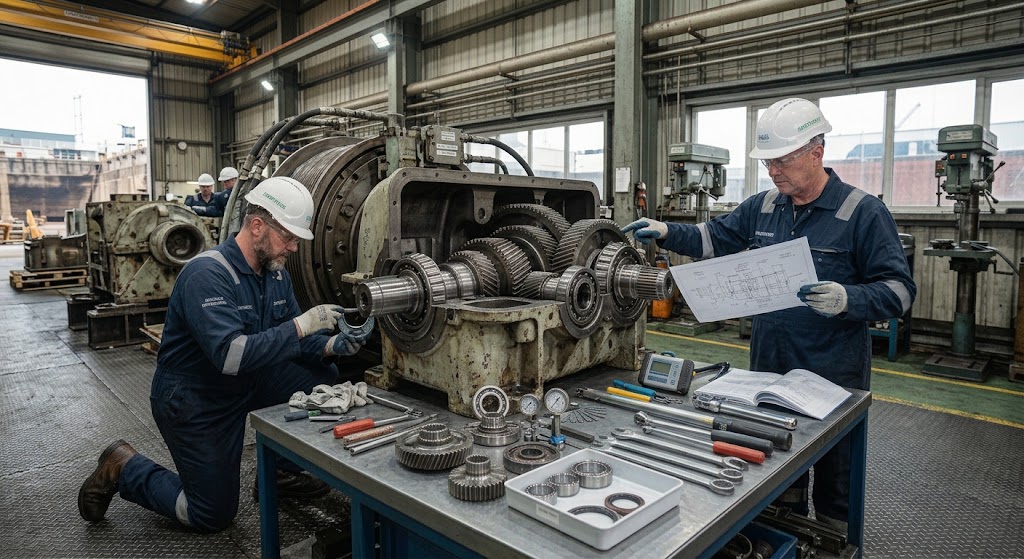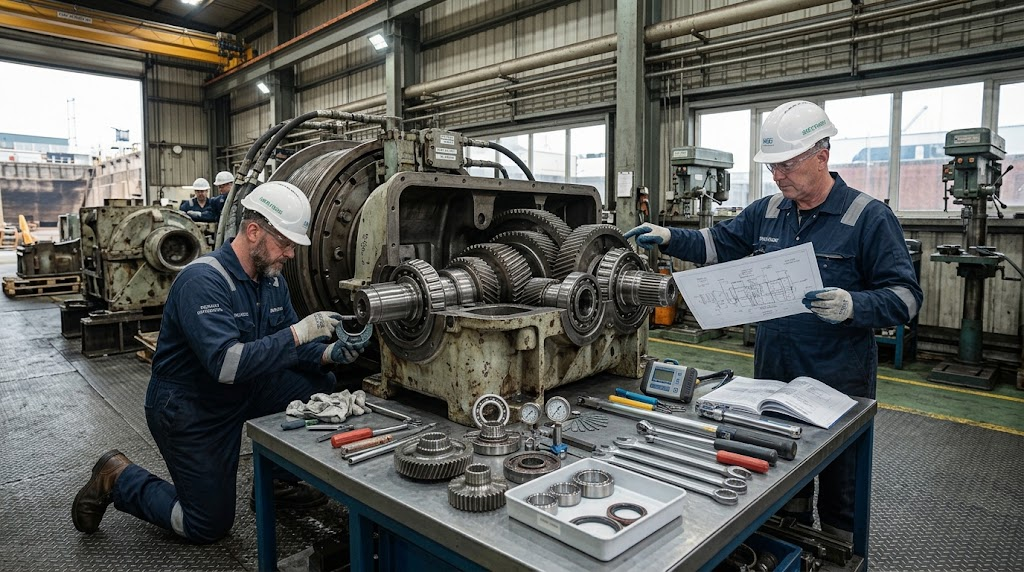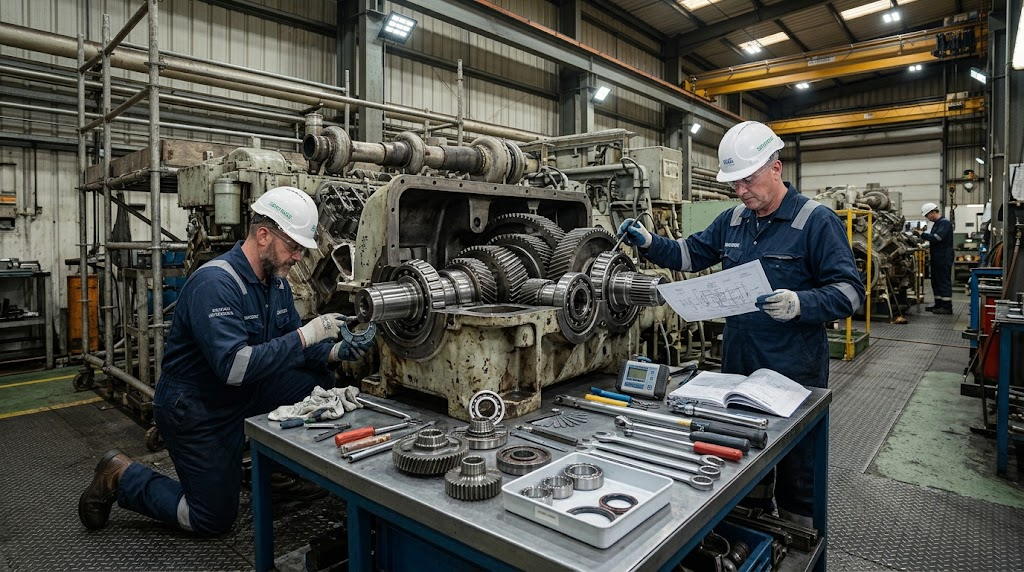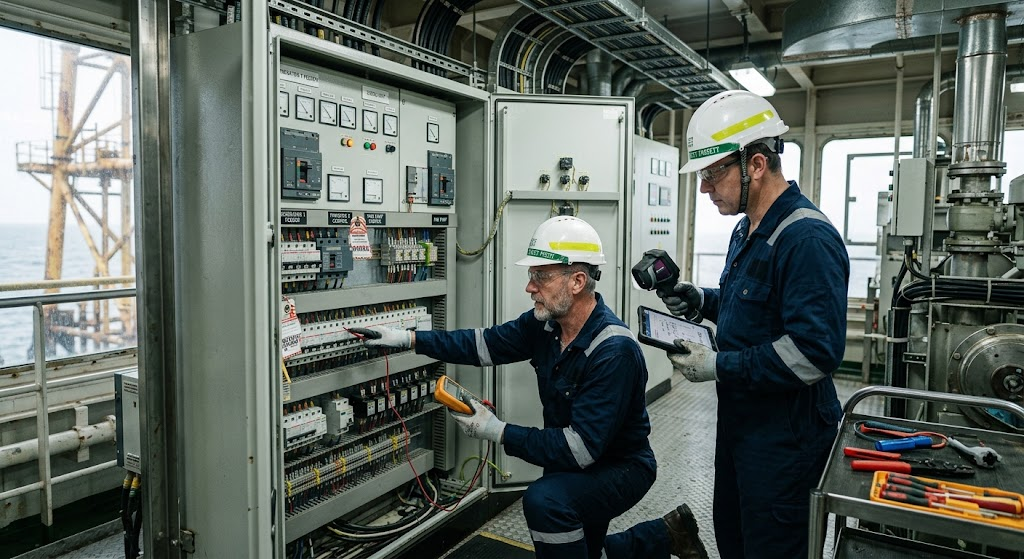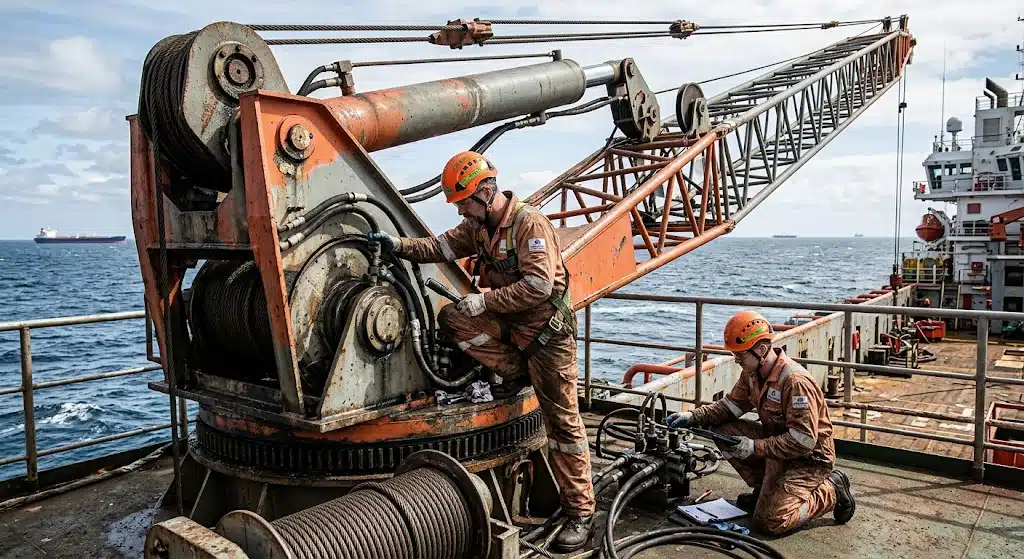
Marine and offshore lifting operations are becoming more demanding. Vessel owners, offshore operators, shipyards, and industrial companies need crane systems that can perform safely under heavy loads and harsh conditions. As a result, marine crane overhaul services have become an important part of equipment reliability and lifecycle management.
Marine cranes operate in challenging environments. Saltwater exposure, vibration, heavy loads, corrosion, and continuous operation can gradually affect mechanical, hydraulic, and electrical components. Without proper inspection and maintenance, small defects can develop into costly failures.
Therefore, a professional overhaul should do more than repair a visible problem. It should identify underlying wear, restore critical components, improve operational reliability, and help extend the crane’s service life.
PT. FIITEK INDONESIA provides professional marine crane overhaul services for marine, offshore, construction, and industrial applications. Our approach combines systematic inspection, mechanical expertise, hydraulic service, electrical troubleshooting, component refurbishment, testing, and commissioning.
This guide explains common crane problems, the overhaul process, maintenance considerations, and how professional service can support safer and more dependable lifting operations.
Why Marine Crane Overhaul Matters
A marine crane plays a critical role in cargo handling, offshore operations, material transfer, maintenance activities, and construction projects. Consequently, crane reliability directly affects operational productivity.
However, cranes rarely fail without warning. Components usually experience gradual deterioration before a major breakdown occurs.
Common Causes of Crane Deterioration
Several operating conditions can accelerate crane wear.
Corrosion and Saltwater Exposure
Marine environments expose crane structures and components to moisture and salt. Over time, corrosion can affect structural areas, pins, bearings, hydraulic components, electrical connections, and protective coatings.
Therefore, regular inspection is essential for identifying corrosion before it becomes a serious operational concern.
Mechanical Wear
Bearings, gears, shafts, brakes, wire ropes, sheaves, pins, and bushings experience repeated loads during operation. Continuous movement creates friction and mechanical stress.
As a result, excessive clearance, unusual vibration, noise, and reduced movement can indicate component deterioration.
Hydraulic Problems
Hydraulic systems control many important crane functions. Leaking hoses, contaminated hydraulic oil, worn seals, damaged pumps, faulty valves, and pressure instability can reduce lifting performance.
Moreover, hydraulic problems can affect movement accuracy and create operational risks if they remain unresolved.
Electrical and Control System Failures
Modern marine cranes often use electrical control systems, sensors, limit switches, control panels, motors, and safety devices.
A loose connection or damaged component can cause intermittent faults. Therefore, electrical inspection should form part of a comprehensive overhaul rather than an afterthought.
When Does a Marine Crane Need an Overhaul?
Not every crane requires a complete overhaul at the same interval. The appropriate timing depends on operating hours, equipment condition, manufacturer recommendations, inspection findings, and operating environment.
However, several warning signs deserve immediate attention.
Warning Signs to Watch
Operators and maintenance teams should investigate:
- Unusual mechanical noise or vibration
- Hydraulic oil leakage
- Slow or inconsistent crane movement
- Reduced lifting performance
- Brake problems
- Excessive component clearance
- Damaged wire ropes or sheaves
- Corrosion on critical areas
- Electrical control faults
- Repeated alarm or sensor failures
- Excessive hydraulic temperature
- Unexpected equipment shutdowns
In addition, recurring repairs can indicate a deeper problem. Replacing the same component repeatedly may only address the symptom.
A professional overhaul can help identify the underlying cause and establish a more effective corrective strategy.
What Is Included in Marine Crane Overhaul Services?
A comprehensive overhaul covers more than cleaning and replacing worn parts. Instead, technicians evaluate the crane as an integrated mechanical, hydraulic, electrical, and structural system.
1. Initial Inspection and Condition Assessment
The process begins with a detailed assessment.
Technicians review available maintenance records and discuss operational symptoms with the vessel or facility team. They then inspect accessible crane components and identify areas requiring further examination.
Inspection Focus
The assessment may include:
- Crane structure and foundations
- Boom and jib assemblies
- Slewing system
- Bearings and gears
- Hydraulic power units
- Cylinders and valves
- Hydraulic hoses and fittings
- Wire ropes and sheaves
- Brakes and winches
- Electric motors
- Control panels
- Sensors and limit switches
- Safety devices
This initial stage establishes the scope of work and helps prevent unnecessary component replacement.
2. Dismantling and Component Inspection
After defining the overhaul scope, technicians carefully dismantle selected components.
The team identifies worn, damaged, contaminated, or corroded parts. Critical components may require dimensional checks to determine whether they remain within acceptable operating limits.
For example, technicians can inspect bearing conditions, shaft surfaces, gear teeth, seals, bushings, pins, and hydraulic components.
Consequently, the overhaul becomes condition-based rather than relying only on assumptions about component age.
3. Mechanical Repair and Refurbishment
Mechanical components may require cleaning, machining, replacement, lubrication, alignment, or refurbishment.
Typical Mechanical Work
Depending on the crane condition, work can include:
- Bearing inspection and replacement
- Gear inspection
- Shaft and coupling inspection
- Pin and bushing replacement
- Brake servicing
- Winch inspection
- Sheave inspection
- Wire rope replacement
- Lubrication system service
- Alignment and adjustment
The objective is to restore reliable mechanical movement while maintaining appropriate tolerances and alignment.
4. Hydraulic System Overhaul
Hydraulic performance strongly influences crane response and lifting capability.
Technicians inspect pumps, motors, cylinders, valves, hoses, fittings, filters, reservoirs, and related components.
Hydraulic Service Activities
The scope may include:
- Hydraulic leak detection
- Hose inspection and replacement
- Seal replacement
- Hydraulic cylinder servicing
- Valve inspection
- Pump and motor inspection
- Filter replacement
- Hydraulic oil condition checks
- Pressure testing
- System flushing where required
Furthermore, clean hydraulic fluid helps protect sensitive components and supports consistent system performance.
5. Electrical and Control System Service
A reliable crane also requires a dependable electrical and control system.
Technicians inspect electrical cabinets, wiring, motors, sensors, limit switches, control stations, emergency stops, and protective devices.
They can also troubleshoot intermittent faults and verify control signals during functional testing.
As a result, the overhaul addresses both physical equipment condition and operational control.
6. Structural Inspection and Corrosion Control
Marine crane structures require particular attention because corrosion can progress under coatings, around joints, and in areas exposed to standing water or marine contamination.
Depending on inspection findings, service may include surface preparation, localized repair, coating restoration, fastener inspection, and corrosion-control measures.
Structural work should always follow applicable engineering requirements and inspection procedures.
Marine Crane Overhaul Process at PT. FIITEK INDONESIA
A structured process helps reduce unexpected delays and improves maintenance planning.
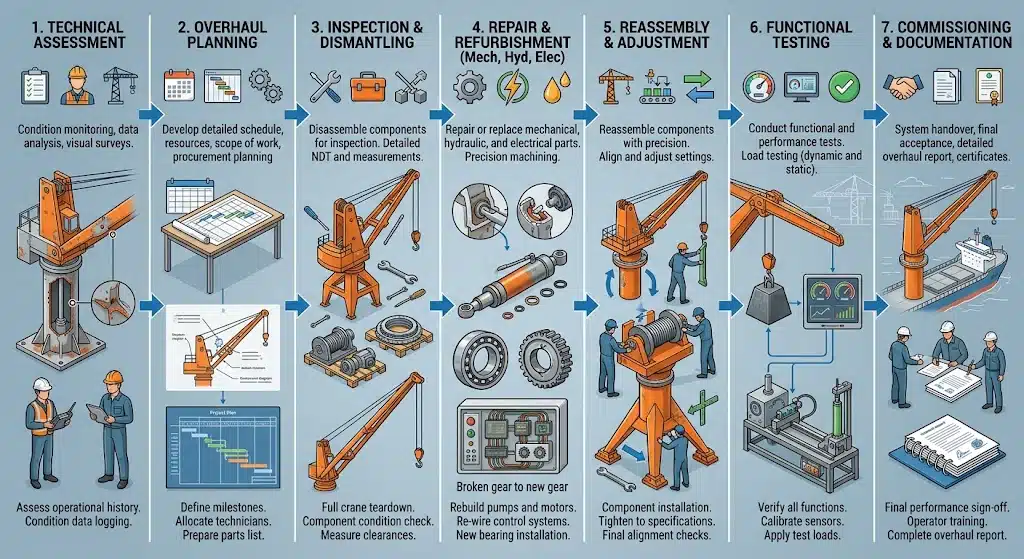
Step 1: Technical Assessment
Our team evaluates the crane condition, operational symptoms, maintenance history, and available technical documentation.
Step 2: Overhaul Planning
Next, we define the required work scope, manpower, tools, replacement parts, testing requirements, and project schedule.
Step 3: Inspection and Dismantling
Technicians inspect and dismantle relevant components according to the approved work plan.
Step 4: Repair and Component Replacement
Worn or damaged components receive appropriate repair, refurbishment, or replacement.
Step 5: Reassembly and Adjustment
After repair, technicians reassemble the crane and perform necessary alignment, adjustment, lubrication, and system checks.
Step 6: Functional Testing
The crane undergoes operational testing to verify movement, controls, hydraulic performance, braking, safety functions, and other relevant systems.
Step 7: Commissioning and Documentation
Finally, the service team documents completed work and communicates relevant findings to the customer.
This systematic approach helps vessel operators and maintenance teams understand what work was performed and what future maintenance may be required.
Benefits of Professional Marine Crane Overhaul Services
A planned overhaul can provide several operational benefits.
Improved Equipment Reliability
Professional inspection identifies developing problems before they become major failures.
Consequently, operators can reduce the risk of unexpected crane downtime.
Extended Equipment Service Life
Replacing worn components and correcting alignment, lubrication, hydraulic, or electrical issues can help extend equipment usability.
However, service life ultimately depends on equipment design, operating conditions, maintenance quality, and component condition.
Better Operational Performance
A properly maintained crane can deliver smoother movement and more predictable operation.
This benefit becomes particularly important during precision lifting and material-handling activities.
Reduced Unplanned Maintenance
Preventive overhaul work allows companies to identify maintenance requirements during a planned intervention rather than during an operational emergency.
Therefore, maintenance teams can improve planning for labor, spare parts, vessel schedules, and operational windows.
Improved Maintenance Planning
Overhaul findings can provide valuable information for future maintenance strategies.
For example, recurring wear patterns may indicate the need for changes in lubrication intervals, inspection frequency, component replacement planning, or operating procedures.
Why Choose PT. FIITEK INDONESIA?
PT. FIITEK INDONESIA supports marine and industrial customers with integrated technical services for demanding operating environments.
Multidisciplinary Technical Capability
Marine crane performance depends on multiple systems. Mechanical, hydraulic, electrical, and control systems must work together.
Therefore, our service approach considers the crane as an integrated system rather than treating every problem separately.
Practical Field-Oriented Service
Our technicians focus on identifying the actual source of equipment problems.
Instead of simply replacing failed parts, we assess the surrounding system and operating conditions.
Flexible Project Support
Crane overhaul projects can take place in different environments, including vessels, shipyards, offshore facilities, construction sites, and industrial locations.
Accordingly, project planning can be adapted to site conditions, equipment availability, access requirements, and operational schedules.
Focus on Safety and Quality
Safety remains an important consideration throughout inspection, dismantling, repair, testing, and commissioning.
Our technical approach emphasizes controlled work practices, proper equipment handling, systematic inspection, and functional verification.
The Importance of Preventive Crane Maintenance
An overhaul should not become the only maintenance activity.
Instead, operators should establish a preventive maintenance program based on equipment condition, operating hours, manufacturer guidance, inspection requirements, and actual operating experience.
Recommended Maintenance Considerations
Maintenance teams should regularly monitor:
- Lubrication condition
- Hydraulic fluid condition
- Hydraulic leaks
- Wire rope condition
- Brake performance
- Bearing condition
- Gear condition
- Electrical connections
- Control system performance
- Emergency stop functions
- Limit switches
- Structural condition
- Corrosion
- Abnormal noise and vibration
Furthermore, maintenance records should document inspections, repairs, component replacements, test results, and recurring problems.
Good records make future troubleshooting more efficient.
PT. FIITEK INDONESIA delivers integrated technical support covering mechanical, hydraulic, electrical, control, and related crane systems. Our structured approach helps customers address equipment problems systematically and prepare their crane assets for continued operation.
Need professional marine crane overhaul services for your vessel, offshore facility, shipyard, or industrial equipment? Contact PT. FIITEK INDONESIA to discuss your crane condition, service requirements, and project scope
STAY IN THE LOOP
Subscribe to our free newsletter.
Leave A Comment

Why Crane Gearbox Reliability Matters Marine and offshore operations continue to demand higher equipment availability, faster turnaround, and tighter control of maintenance costs. Therefore, reliable crane systems have become essential for safe lifting and material-handling operations. At the heart of many crane systems, the gearbox transfers power and controls torque, speed, and movement. When it

Marine and offshore operations are demanding higher equipment reliability while facing tighter maintenance schedules and rising operational costs. In this environment, Winch Repair and Overhaul plays an important role in keeping critical lifting, mooring, towing, and deck operations running safely. A winch may operate continuously under heavy loads, vibration, moisture, corrosion, and changing environmental conditions.
-
Marine and offshore operations face increasing pressure to improve equipment reliability, reduce downtime, and control maintenance costs. At the same time, vessels and industrial equipment operate in demanding environments where mechanical components face heavy loads, vibration, corrosion, heat, and continuous operation. In this environment, Marine Machinery Overhaul plays an important role in maintaining equipment performance
-
Modern marine and offshore operations depend on electrical systems more than ever. From generators and switchboards to motors, control panels, navigation equipment, cranes, and emergency systems, electrical power keeps critical assets operating. However, harsh offshore conditions can accelerate electrical deterioration. Therefore, professional Offshore Electrical Maintenance has become essential for companies that want to protect safety,